Why I built it
Like a lot of people, I learned most of my pieces from scattered Synthesia-based videos on YouTube — Scriabin, Rachmaninoff, Chopin. No sheet music, no teacher.
The original Synthesia app opened this door around twenty years ago: a whole new way to learn piano without reading a note. It's twenty years old now, so it's no surprise a lot of it feels dated, and it was never really built to be beautiful.
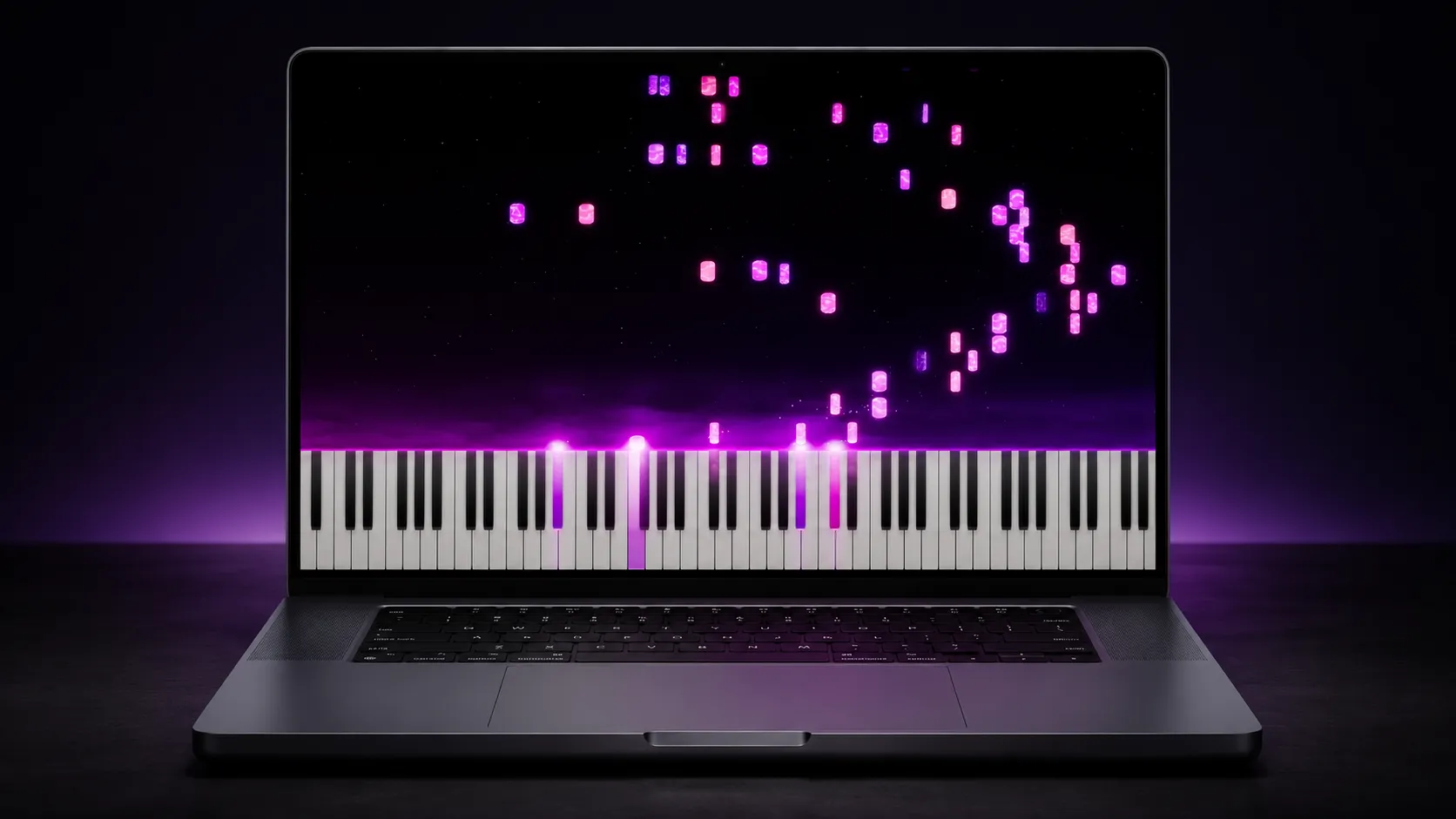
After a while, my playing outgrew the way I was learning. That got me thinking about how to fix it — first just for myself, but it quickly made sense that the same tool would help thousands of other pianists who learn the way I do. Nobody had built one app for this kind of pianist from beginning to end: the self-taught, visual learner who can't read sheet music and needs a single tool for the whole journey — recording, full control over editing, your favorite external piano plugins, a piano roll as an alternative view, beautiful VFX, and rendering videos to share.
Over the years other falling-note apps like SeeMusic and Embers came up, but their focus sits only on the visual side. With LumaKeys I've tried to capture the whole process — from first note to final video — in one modern, creative app for pianists.
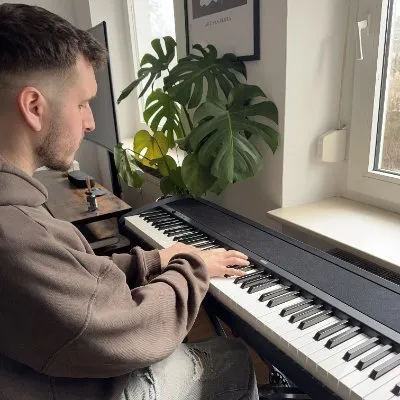
Ramon · Founder of LumaKeys